If you picture coastal living as something reserved for vacations, Carpinteria may surprise you. This small Santa Barbara County city offers beach access, walkable daily routines, and a relaxed pace that feels grounded in real life, not just weekend getaways. If you are thinking about moving here, buying a second home, or simply getting to know the area better, understanding the rhythm of everyday life matters. Let’s dive in.
What Makes Carpinteria Feel Different
Carpinteria sits about 12 miles southeast of Santa Barbara on the south coast of Santa Barbara County. With a 2024 population estimate of 12,876 and just 2.59 square miles of land area, it feels compact in a way many coastal cities no longer do.
That scale shapes daily life. City planning materials describe Carpinteria as a human-scale, walkable beach town between the Pacific Ocean and the Santa Ynez Mountains. You feel that balance in the way the town blends ocean access, local businesses, and residential neighborhoods into a close-knit footprint.
Carpinteria is also more than a beach destination. The city says its economy includes agriculture, tourism and retail, light industry, and research and development, which gives the community a working-town foundation alongside its coastal appeal.
Beach Access Is Part of Daily Life
In Carpinteria, the beach is not something that sits on the edge of town. It runs through the way people spend mornings, afternoons, and weekends. Official city materials note that City and State beaches extend the full length of the city, which makes coastal access part of regular life rather than a special outing.
The main public beach areas include Carpinteria City Beach at the foot of Linden Avenue, Carpinteria State Beach Park at the foot of Palm Avenue, and Rincon Beach Park at the foot of Bates Road. Depending on where you live, a beach walk, sunset stop, or quick surf check can feel easy to fit into your routine.
Parking helps support that convenience, though there are rules to know. The city manages public parking in the downtown and beach areas, and parking is free in many of these locations, but time limits, marked spaces, and sunrise-to-sunset lot hours still apply.
Coastal Trails and Open Space
Carpinteria’s outdoor lifestyle goes well beyond the sand. The local park and open-space system includes Monte Vista Park, Carpinteria Creek Park, the Carpinteria Bluffs Nature Preserve, and the Carpinteria Salt Marsh Nature Park.
The Carpinteria Salt Marsh Nature Park is described by the city as a rare salt wetland in Southern California, with walking trails and interpretive signs. The Carpinteria Bluffs Nature Preserve adds bluff-top paths, birding, whale watching, and wide ocean views, which gives the town an everyday connection to nature that feels built in.
Living Near Protected Habitat
One of Carpinteria’s most distinctive outdoor features is the Harbor Seal Rookery. The overlook is reached by the Carpinteria Coastal Vista Trail, and the beach area is closed from December 1 through May 31 to protect the seal colony.
That seasonal closure says something important about the town. In Carpinteria, outdoor access and habitat protection exist side by side, and that balance is simply part of local life.
Downtown Carpinteria Is Built for Real Errands
Many beach towns feel easy to visit but hard to live in day to day. Carpinteria’s downtown works differently. The city’s downtown core is organized around Linden Avenue and Carpinteria Avenue, with Linden serving as the main connection between town and beach.
City planning documents describe this area as the hub of civic and commercial activity, with storefronts, restaurants, and mixed-use development in a pedestrian-oriented setting. For residents, that means downtown is not just scenic. It is practical.
A downtown parking study helps show how people actually use the area. Survey responses found that visitors and residents often bundle meals, coffee or bakery stops, grocery shopping, beach visits, and professional services into one outing, and 88% said they typically walk between places once downtown.
That is a strong signal of how daily life works here. Instead of driving from one errand to another, you are more likely to park once and take care of several stops on foot.
Parking and Walkability
Parking is part of the equation, especially in a coastal market. The same downtown study found about 883 publicly available parking spaces downtown, with 313 spaces available at the weekday lunchtime peak.
That does not mean parking is unlimited, but it does suggest a downtown designed to support regular use. The city also notes that public lots and street parking serve both downtown and beach areas, with posted limits and marked-space rules that matter.
Neighborhood Character and Housing Style
Carpinteria has a range of residential settings, and that variety is part of its appeal. Official planning documents describe a mix of housing types across the city, rather than one uniform coastal style.
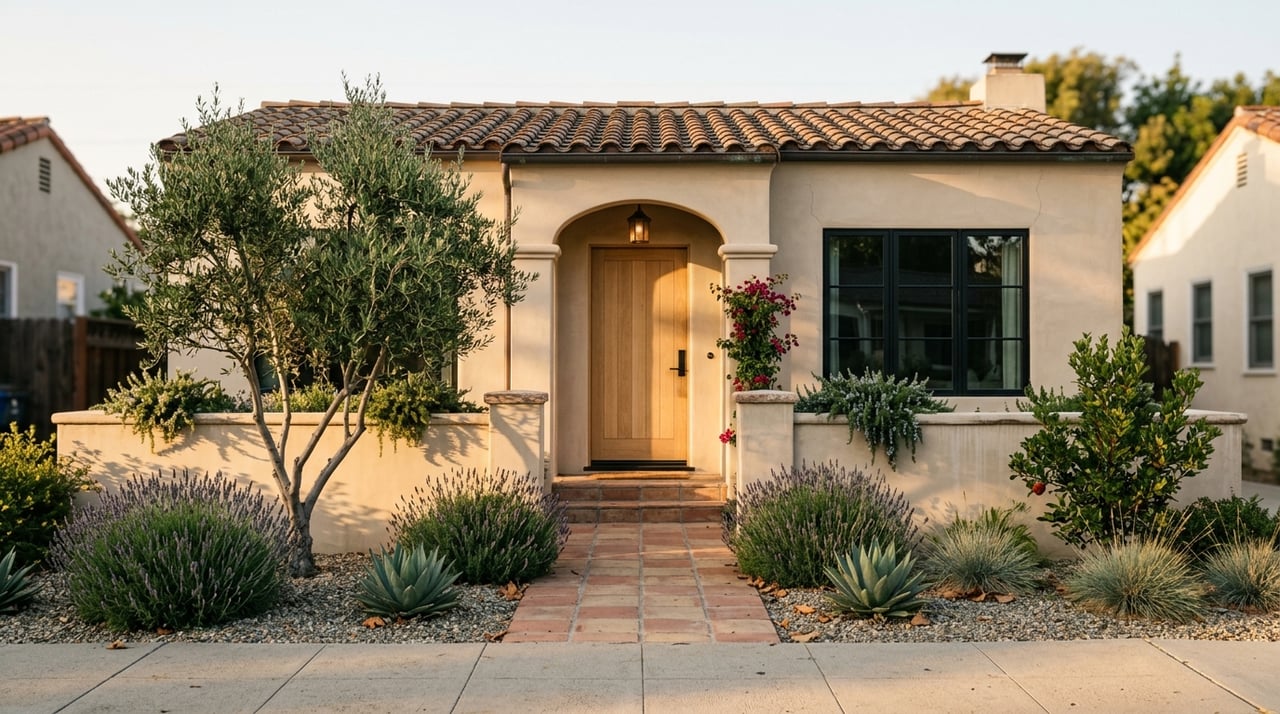
In the Beach Neighborhood, you will find single-family homes, apartments, condominiums, and the Silver Sands Mobile Home Park. The city also describes this area as having bungalows and Craftsman-style cottages, which helps explain some of the charm buyers notice right away.
Downtown and Old Town include mixed-use, walkable residential areas with varied housing types. Northcentral and Northwest are described as being made up mostly of single-family homes in a suburban pattern common from the 1950s through the 1980s, while Concha Loma includes an eclectic mix of ranch and Craftsman-style homes from the 1950s and 1960s.
The Look the City Tries to Preserve
Carpinteria’s design standards help maintain a lower-rise, neighborhood-oriented feel. The city calls for compatible building scale, street-facing entries, porches, patios, and low fences or hedges, with architectural references that include Craftsman, Ranch, Art Deco, and mid-century styles.
For buyers, this means the housing stock often feels established rather than overly uniform. For sellers, it helps explain why neighborhood character and presentation can matter so much in the local market.
The Cost of Living by the Coast
Like many coastal California communities, Carpinteria comes with meaningful housing costs. Census QuickFacts lists a median owner-occupied home value of $965,200 and a median gross rent of $2,341.
The owner-occupied housing rate is 58.8%, which points to a community with a solid share of full-time residents. For buyers and renters alike, the takeaway is simple: Carpinteria offers a lifestyle many people want, and pricing reflects that demand.
Commuting Is Part of the Local Rhythm
Even with its walkable core, Carpinteria is closely tied to the broader South Coast region. The city’s circulation plan says about 41% of work trips that begin in Carpinteria end within the city, while nearly 60% go to regional destinations such as Santa Barbara, Ventura, and Oxnard.
That means many residents enjoy a small-town home base while staying connected to larger employment centers. Census data puts the mean travel time to work at 24.9 minutes for workers age 16 and older, which gives a useful snapshot of what that balance looks like in practice.
How People Get Around
According to the city’s circulation plan, about 50% of trips to and from Carpinteria are by private automobile, 32% by automobile passenger, and 12% by walking or biking. Less than 1% are by transit.
Those numbers suggest that while local errands can be pleasantly walkable, regional travel is still largely car-based. The plan also notes that local circulation usually does not require U.S. 101, but regional travel depends heavily on the freeway corridor and transit connections.
Transit Options in Carpinteria
Transit is available, even if it is not the primary way most people move through the region. Santa Barbara MTD Route 20 connects Carpinteria and downtown Santa Barbara, with a travel time of about 56 minutes end to end.
Route 19x is more commute-oriented, with service focused on Carpinteria-to-SBCC travel in the morning and the reverse in the evening. The Amtrak station at Linden and 5th has about 10 daily passenger rail stops, and SBCAG says an expanded Ventura-Santa Barbara passenger rail pilot began on May 4, 2026.
For some residents, these options add flexibility. For others, they serve as a backup to the daily drive.
Everyday Services and Practical Living
If you are relocating, it also helps to understand how the city is organized. Carpinteria says it is not a full-service city, which means some everyday services are handled by special districts rather than by the city itself.
According to the city, fire, sanitation, water, and cemetery services are provided through special districts. The Carpinteria Unified School District operates seven schools in Carpinteria and one in Summerland, which is useful context when you are getting familiar with local systems and service providers.
Why Carpinteria Appeals to So Many Buyers
Carpinteria offers something that can be hard to find on the California coast: a beach-town setting that still works for everyday life. You have ocean access, open space, a walkable downtown, varied housing, and regional connections, all within a relatively small footprint.
That combination makes the city appealing to a wide range of buyers. Some want a full-time home with a slower coastal pace. Others want a second home, an investment perspective, or a place that keeps them connected to Santa Barbara County while offering a more grounded, small-town feel.
When you are evaluating a move, the details matter. In Carpinteria, those details include how close you want to be to the beach, how much walkability matters to you, what style of home fits your goals, and whether your routine is mostly local or tied to the larger region.
If you are considering buying or selling in Carpinteria or elsewhere in Santa Barbara County, Monument Global Estates can help you make a clear, informed plan with local insight and steady guidance.
FAQs
What is everyday life like in Carpinteria, California?
- Everyday life in Carpinteria tends to feel relaxed, coastal, and practical, with beach access, walkable downtown errands, and a small-town scale that supports daily convenience.
How walkable is downtown Carpinteria for daily errands?
- Downtown Carpinteria is set up for multi-stop outings, and a city parking study found that 88% of people surveyed typically walk between places once downtown.
What beaches and outdoor spaces are in Carpinteria?
- Carpinteria includes Carpinteria City Beach, Carpinteria State Beach Park, Rincon Beach Park, Monte Vista Park, Carpinteria Creek Park, the Carpinteria Bluffs Nature Preserve, and the Carpinteria Salt Marsh Nature Park.
Is Carpinteria a good choice for commuters in Santa Barbara County?
- Carpinteria is closely connected to regional job centers, with nearly 60% of work trips from the city going to places like Santa Barbara, Ventura, and Oxnard.
What types of homes are found in Carpinteria neighborhoods?
- Carpinteria includes single-family homes, condos, apartments, mixed-use residential areas, mobile home park living, and architectural styles such as Craftsman, ranch, and mid-century homes.